After smoke affects a home or business, “can this be cleaned?” is an item-specific question. A dish, an upholstered chair and a document should not be treated as interchangeable contents. Start with assessment and a record of the affected belongings, not an assumption that everything is either ruined or ready to use.
Ask what is being assessed
Describe the damage type, rooms and item materials to the contents team. Smoke, soot and firefighting water can appear in the same loss; tell the team what is known rather than guessing from appearance. Follow the site-access instructions of the appropriate authorities and restoration professionals before entering affected spaces.
- Which rooms and items are included in the assessment?
- Which belongings appear potentially restorable and which require a separate non-salvageable record?
- What photos, labels or item information are needed before removal?
- Who will answer questions about an item while it is away?
Cleaning methods depend on suitability
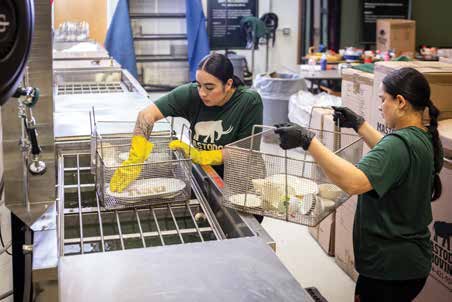
Mastodon’s full-time in-house team works in the Westborough facility. Current company descriptions identify ultrasonic cleaning for suitable hard contents such as dishes, china and glassware, and hydroxyl and ozone equipment for deodorization where appropriate. These are professional-process descriptions, not instructions for using equipment at home.
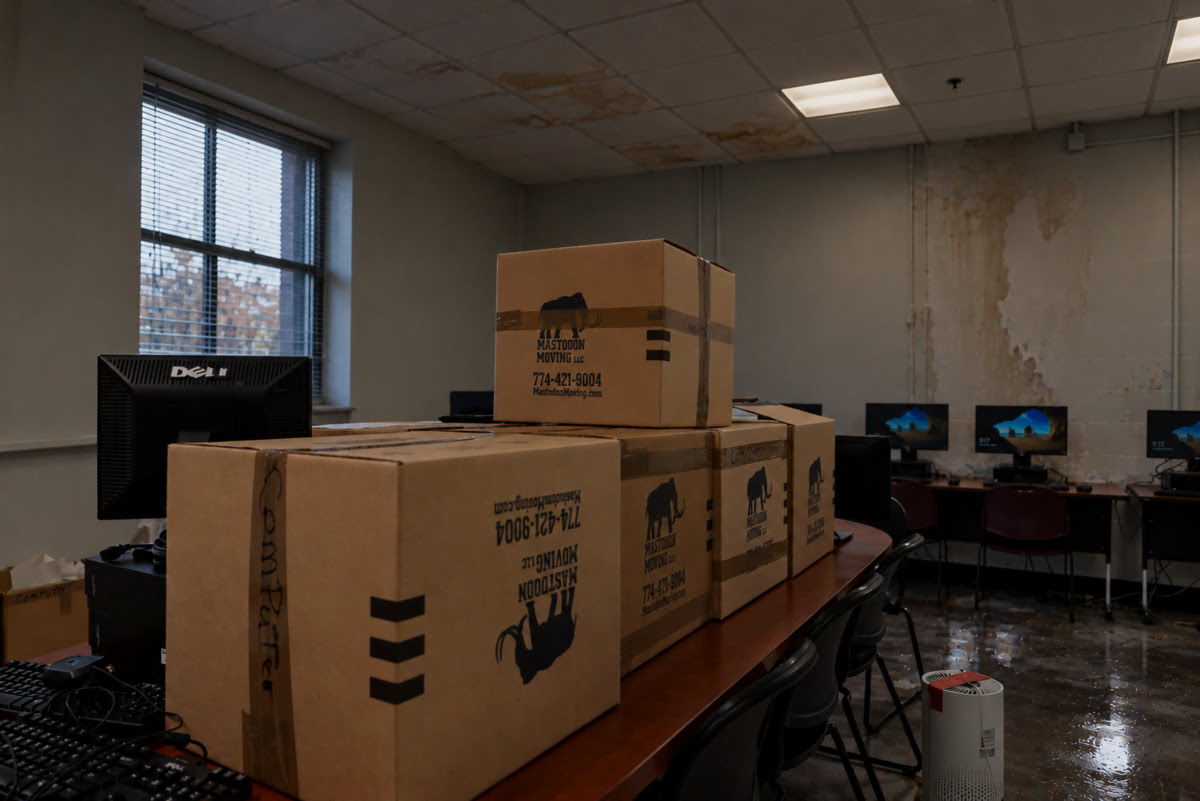
Furniture and upholstery, electronics and appliances, artwork, books and documents are assessed to determine whether and how cleaning or restoration is appropriate. Do not assume an exposed electronic device is ready to switch on because its exterior looks clean. Ask the team what evaluation is needed for the particular item.
Keep assessment and coverage separate
Mastodon documents non-salvageable items separately, including brands, ages and values recorded with the policyholder to support review. A contents assessment does not decide the insurance settlement. Ask your insurance representative what records they require, and keep disposal or replacement questions with the responsible project contacts.
Our existing commercial fire assessment article addresses what might be saved; the inventory documentation guide addresses the records. This guide focuses on the cleaning questions between those decisions.
Understand the status before return
Suitable items receive cleaning, quality checking and repacking before storage and return are coordinated. Ask whether a particular item is still awaiting assessment, being cleaned or ready for the agreed next stage. Neither storage nor deodorization is a guarantee that every item will reach pre-loss condition.
For example, glassware and a smoke-exposed upholstered chair from the same room may need different assessment and handling decisions. This is a general scenario, not a client result or an assurance that either item is recoverable.
Connect the contents plan with property repairs
The restoration team handles its building scope; Mastodon handles documented contents work. Agree site access, who receives updates and when the repaired rooms can accept belongings. Read the fire packout process and packback planning guide for the stages before and after cleaning.
Bring the right information
Share the property town, damage type, affected items and rooms, known access restrictions and restoration contact through Mastodon’s contents-cleaning page. Referral professionals can use the adjuster workflow or contractor workflow. Avoid sending private records or claim numbers in the initial online inquiry.
Planning the contents recovery?
Discuss affected belongings, access and the next planning step.
Discuss affected belongings