Packback is the return delivery of contents after removal, suitable cleaning and storage. It is not simply the reverse truck trip. The repaired space, access route, inventory and delivery order must all be ready for the belongings coming back.
Start with rooms that can actually accept delivery
Ask the restoration contact which rooms are ready under the agreed project scope and what work remains. Confirm the delivery address and where each group of contents belongs. If some areas are unfinished, discuss whether staged return is appropriate rather than assuming the entire shipment should arrive at once.
Mastodon coordinates packback with policyholders and restoration teams. Scheduling is specific to the job and current availability; the anticipated repair finish date is not an automatic delivery booking.
Use the inventory before choosing a room order
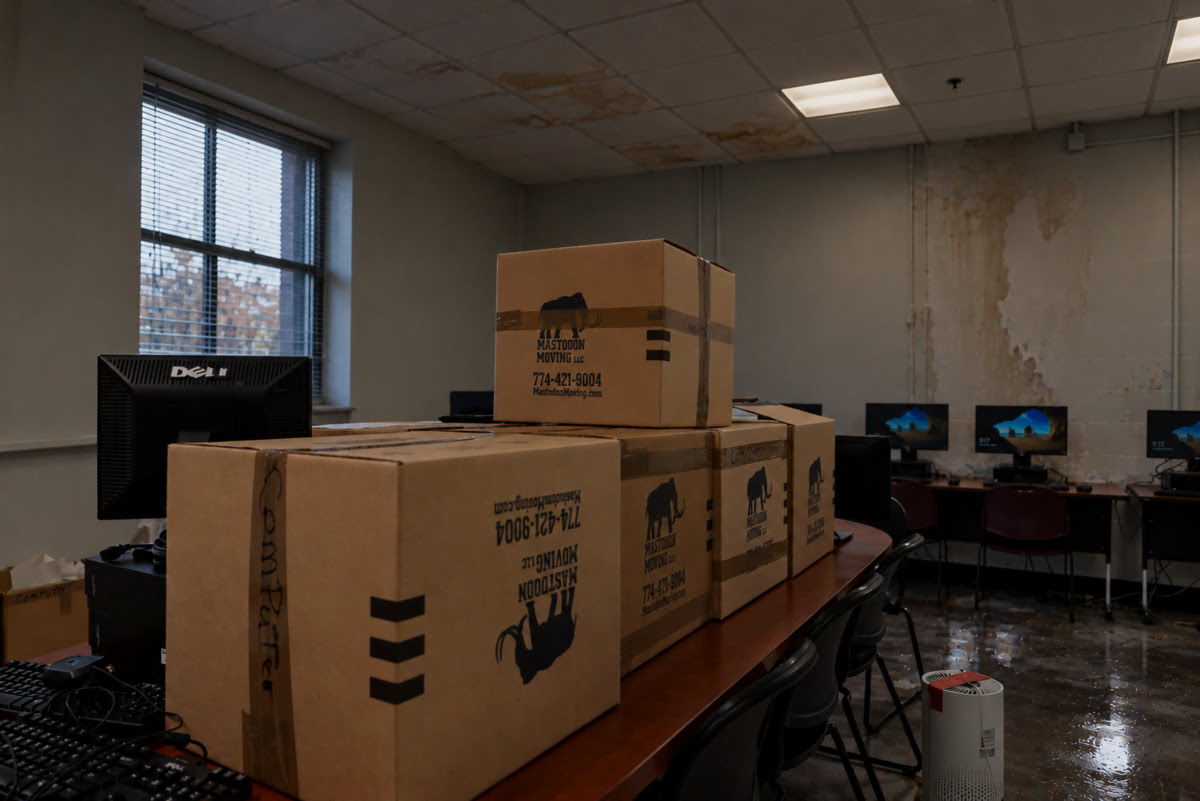
Room labels and contents records connect the original packout with return. Identify essential belongings needed first and ask the contents contact how to reference them in the inventory. A request for “the kitchen boxes” is easier to resolve when the intended records and destination room are clear.
- Confirm the agreed return scope and the rooms receiving items.
- Identify early-needed items without assuming every stored item is ready.
- Ask about assessment, cleaning and quality-check status where relevant.
- Agree who reviews the records and handles questions during delivery.
Read our inventory documentation guide for why labels and item records stay relevant beyond removal.
Plan a protected route into the property
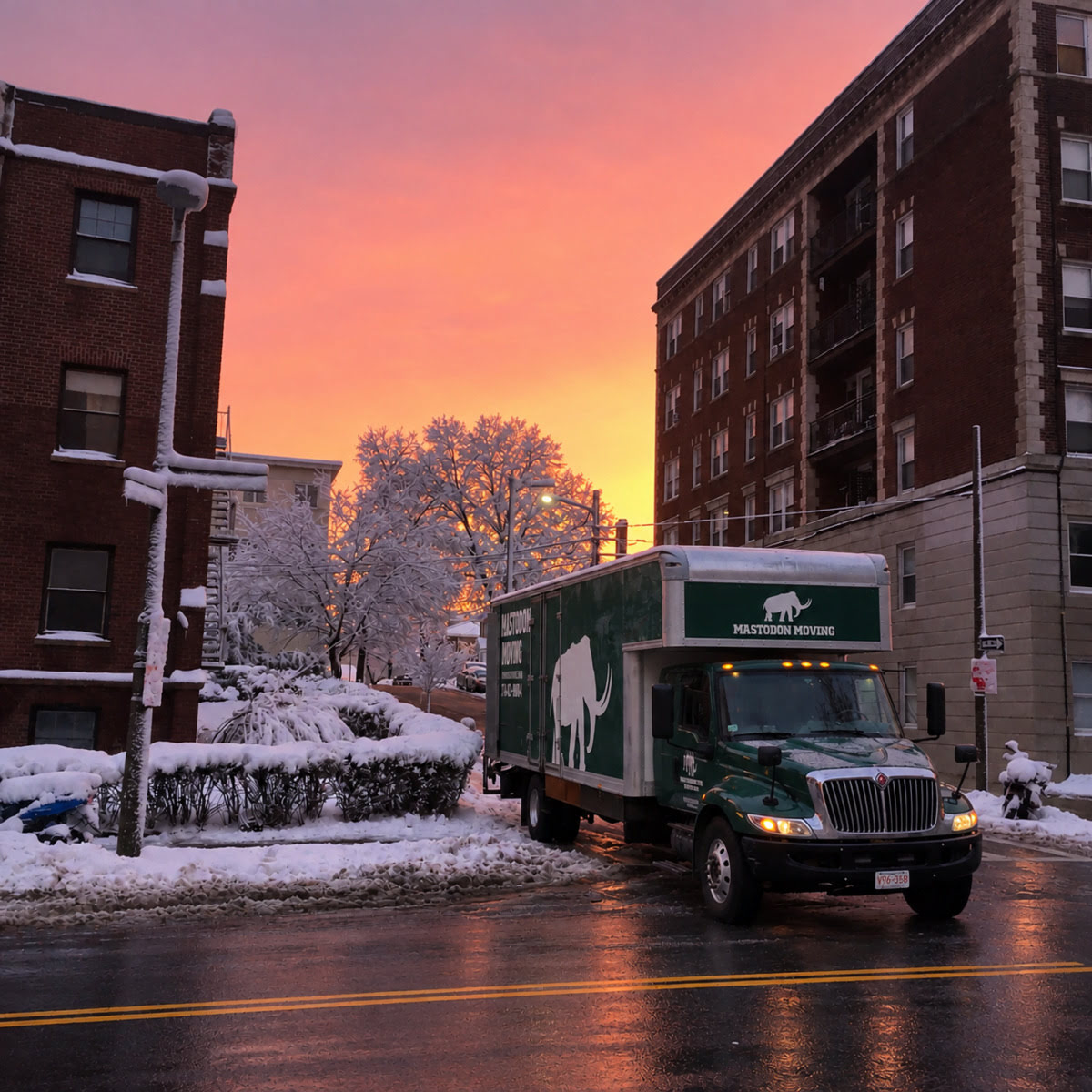
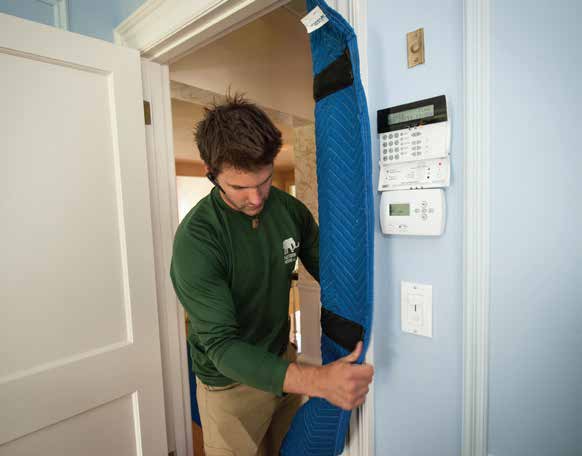
Share parking, loading access, stairs, doorway restrictions and building move rules before delivery. Mastodon’s contents process includes protection for floors, stairs and doorways during packback. Tell the team about new flooring, changed furniture layouts or access restrictions rather than assuming the original route is unchanged.
For example, a repaired ground-floor room may be ready while upstairs work continues. Discuss a room-specific delivery and a route that avoids the unfinished area. This is a general planning example, not a description of a completed Mastodon job.
Keep responsibilities clear
The property owner identifies priorities and destination needs. The restoration contact confirms readiness within the building work scope. The insurance representative handles coverage or authorization questions. Mastodon coordinates the contents delivery and records. Decide who shares changes with the other contacts before moving day.
Our contractor coordination page focuses on room priorities and access; our adjuster referral page focuses on documentation and claim-review boundaries.
What happens to belongings not ready to return?
Discuss remaining cleaning or assessment needs and the expected storage interval with the contents team. Mastodon’s 34,000 sq ft monitored, climate-controlled Westborough warehouse supports storage until agreed return. Warehouse access and pickup are coordinated, not self-service.
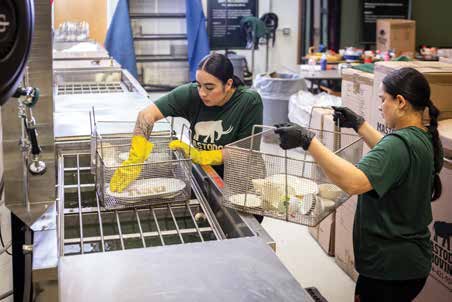
Not every damaged item is salvageable. The contents assessment and cleaning process distinguishes suitable items from separately documented non-salvageable contents. Do not assume an item is restored simply because it has been stored.
A short return-planning checklist
- Confirm ready rooms and the responsible site contact.
- Agree inventory scope, priorities and item status.
- Share access details and protection needs.
- Discuss staged delivery if only part of the space is ready.
- Confirm timing with the team and communicate later changes.
Use Mastodon’s packout service to see the full removal-to-return workflow. If belongings were exposed to smoke, our cleaning questions guide helps prepare for the assessment stage.
Planning the contents recovery?
Discuss affected belongings, access and the next planning step.
Discuss affected belongings